
How NASH Liquid Ring Compressor Flare Gas Recovery Systems Work
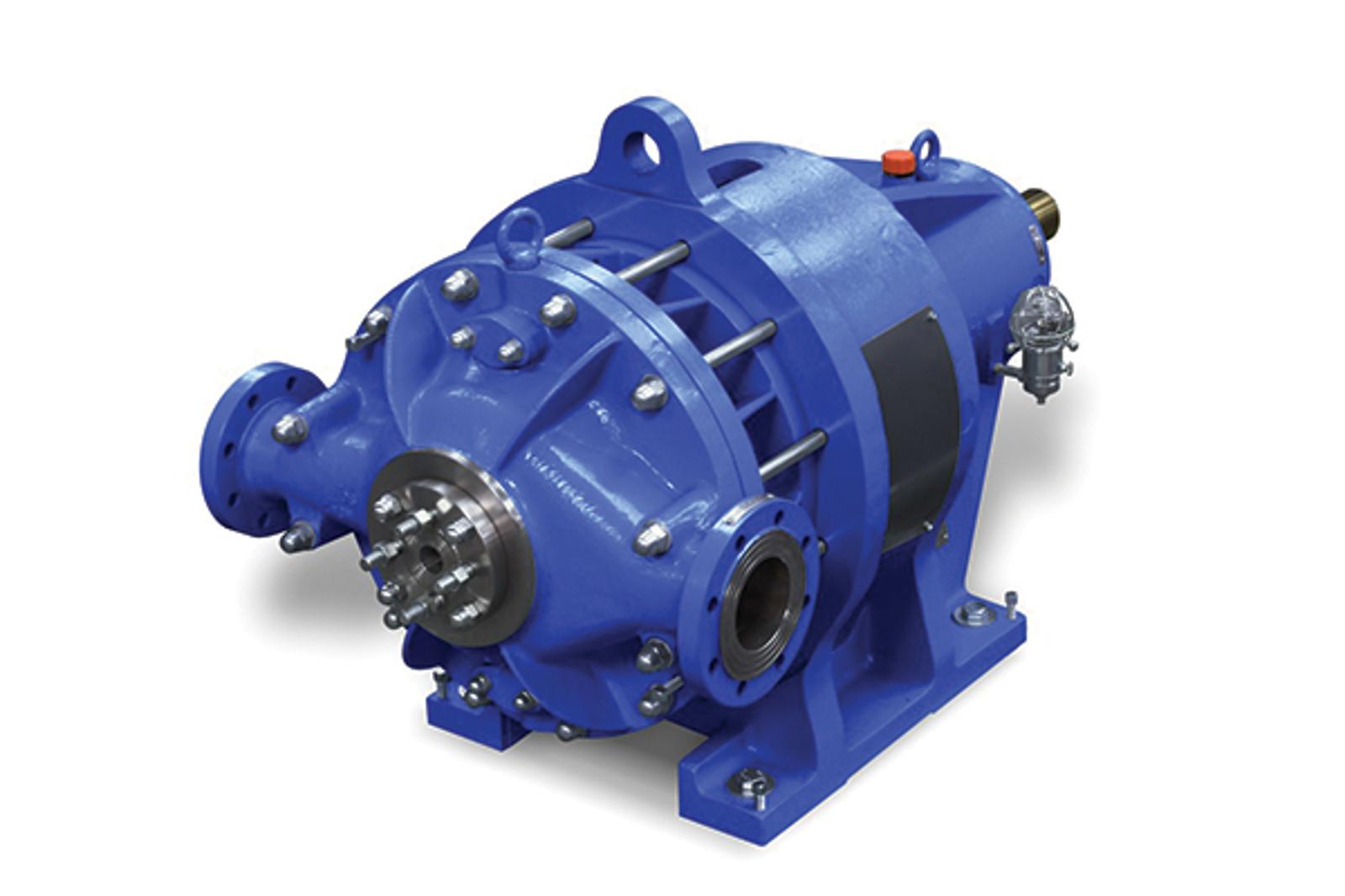
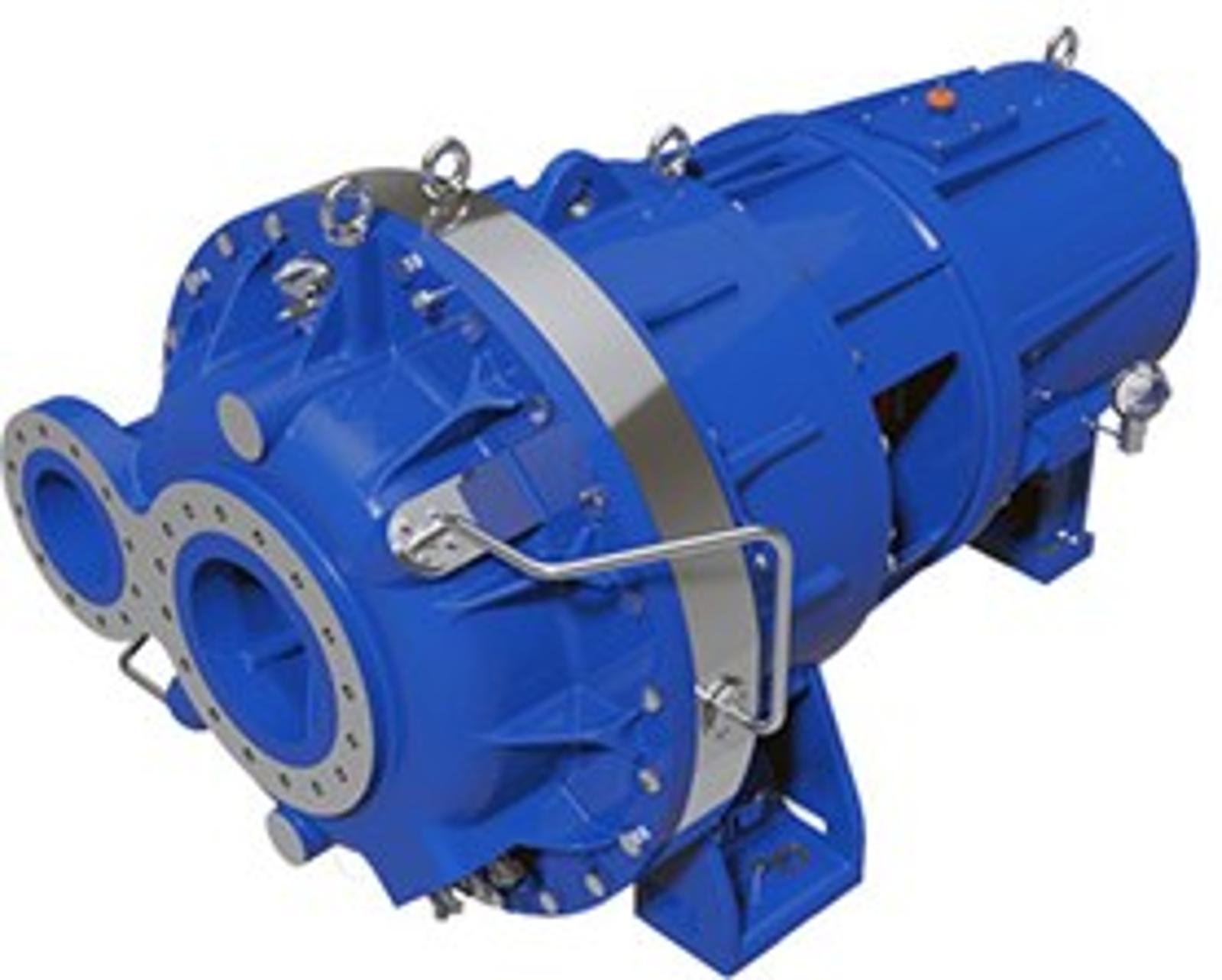
NASH flare gas recovery systems are engineered to recover gases from the flare header or knock-out vessel and compress them using liquid ring compressors. Inside the compressor, a rotating impeller creates a liquid ring that forms a series of compression chambers. Gas entering the compressor is progressively compressed as these chambers decrease in volume before being discharged for downstream separation, treatment, or reuse. Liquid ring compression is particularly well suited to flare gas recovery because the technology can handle wet and challenging process gas streams. Nash compressors can also be engineered around changing gas compositions and operating conditions commonly encountered in oil and gas and refinery applications. A complete flare gas recovery system can incorporate:
- Liquid ring compressors
- Gas-liquid separators
- Heat exchangers or coolers
- Piping and valves
- Controls and instrumentation
- Skid-mounted auxiliary equipment
- Application-specific materials of construction
Each system is engineered according to the facility's gas composition, flow, pressure, temperature, materials, utilities, and operating requirements.