Explore Our Liquid Ring Vacuum Pumps
Select a pump category based on the required suction capacity, vacuum level, process gas, available seal liquid, and operating conditions.

.jpg?format=pjpeg&width=1600&quality=50&auto=webp)
NASH liquid ring vacuum pumps are a reliable and durable solution for challenging process applications. Our liquid ring vacuum pump design was the first-of-its-kind at the turn of the 20th century and has been an industry leader ever since.
Through our ongoing commitment to innovation, product research, and development, Nash continues to introduce quality liquid ring vacuum pumps and product upgrades that meet the rigors of the most demanding applications while reducing the total cost of ownership.
Review our extensive product portfolio and discover the NASH liquid ring vacuum pump best suited for your process.
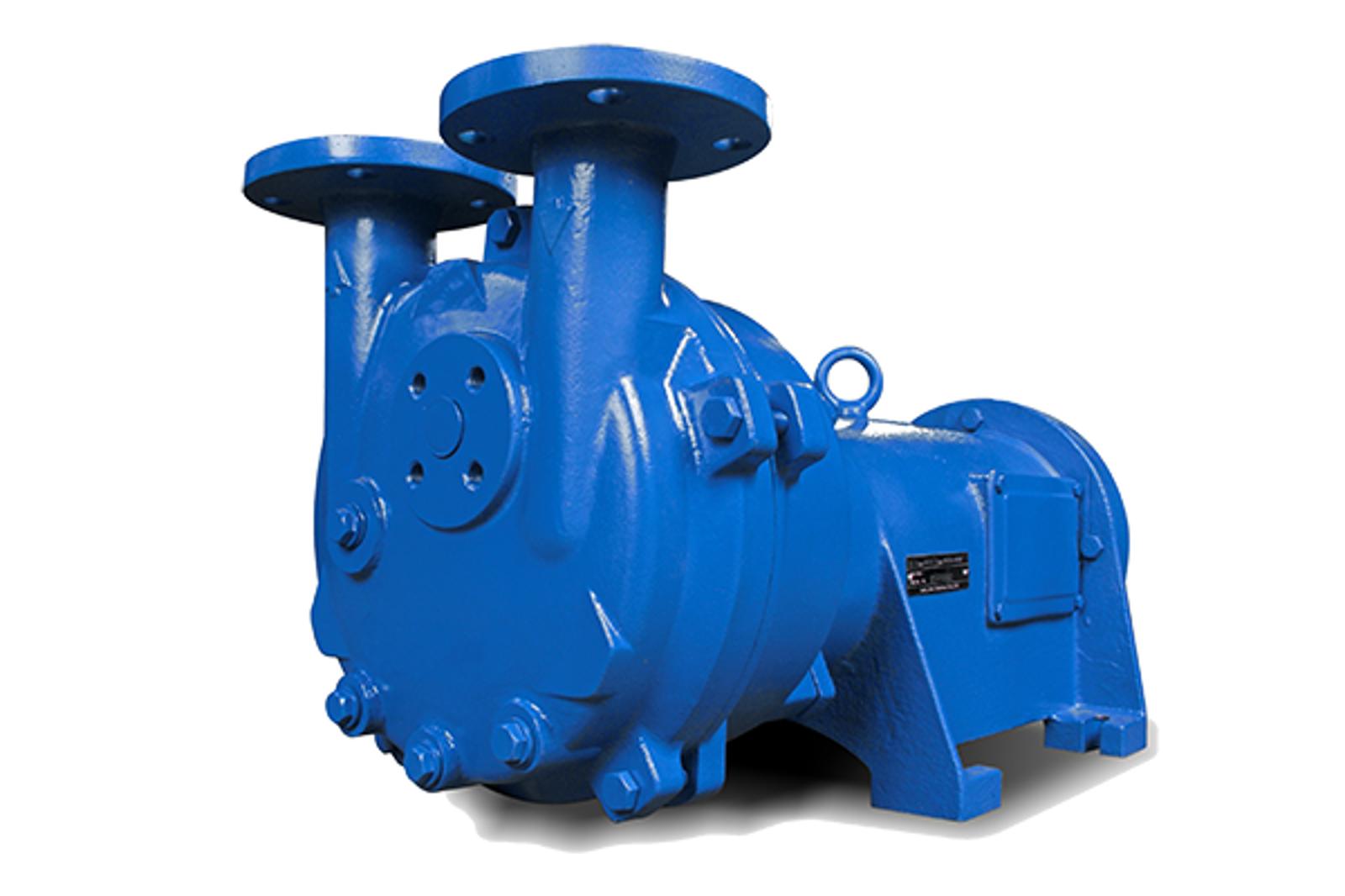
(Vacuum levels up to 29in. HgA, 1.5 HP to 10 HP)
NASH small capacity liquid ring vacuum pumps feature monoblock or lantern designs. These designs deliver the benefits of a simple, compact, and economical installation. Our small capacity liquid ring pumps are available in a variety of materials including cast iron and stainless steel and are ideal for use in a vast range of general industrial processes.
Click the link below to learn more about our small capacity liquid ring vacuum pumps.
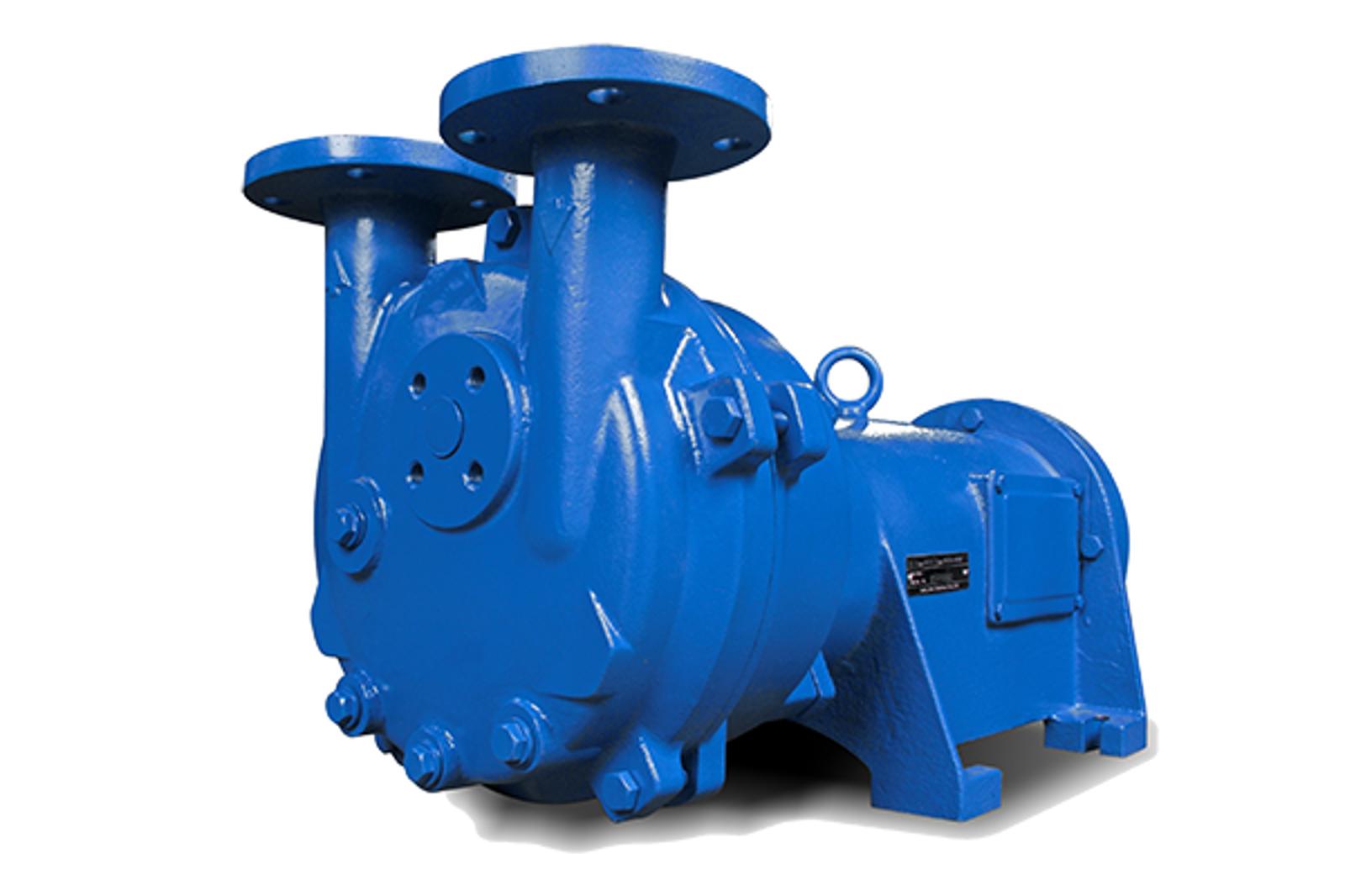
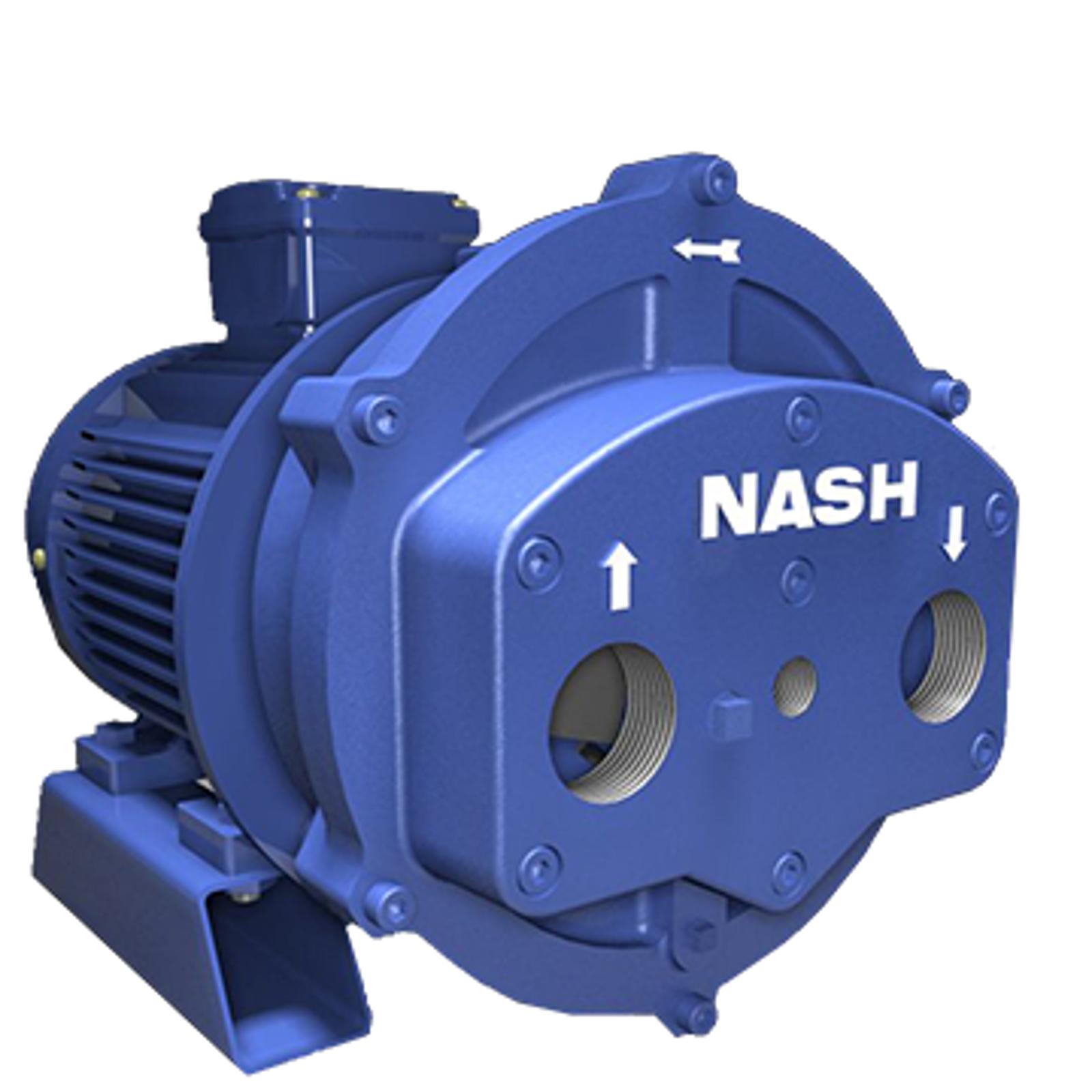

(Vacuum levels up to 28in. HgA, 10 HP to 200 HP)
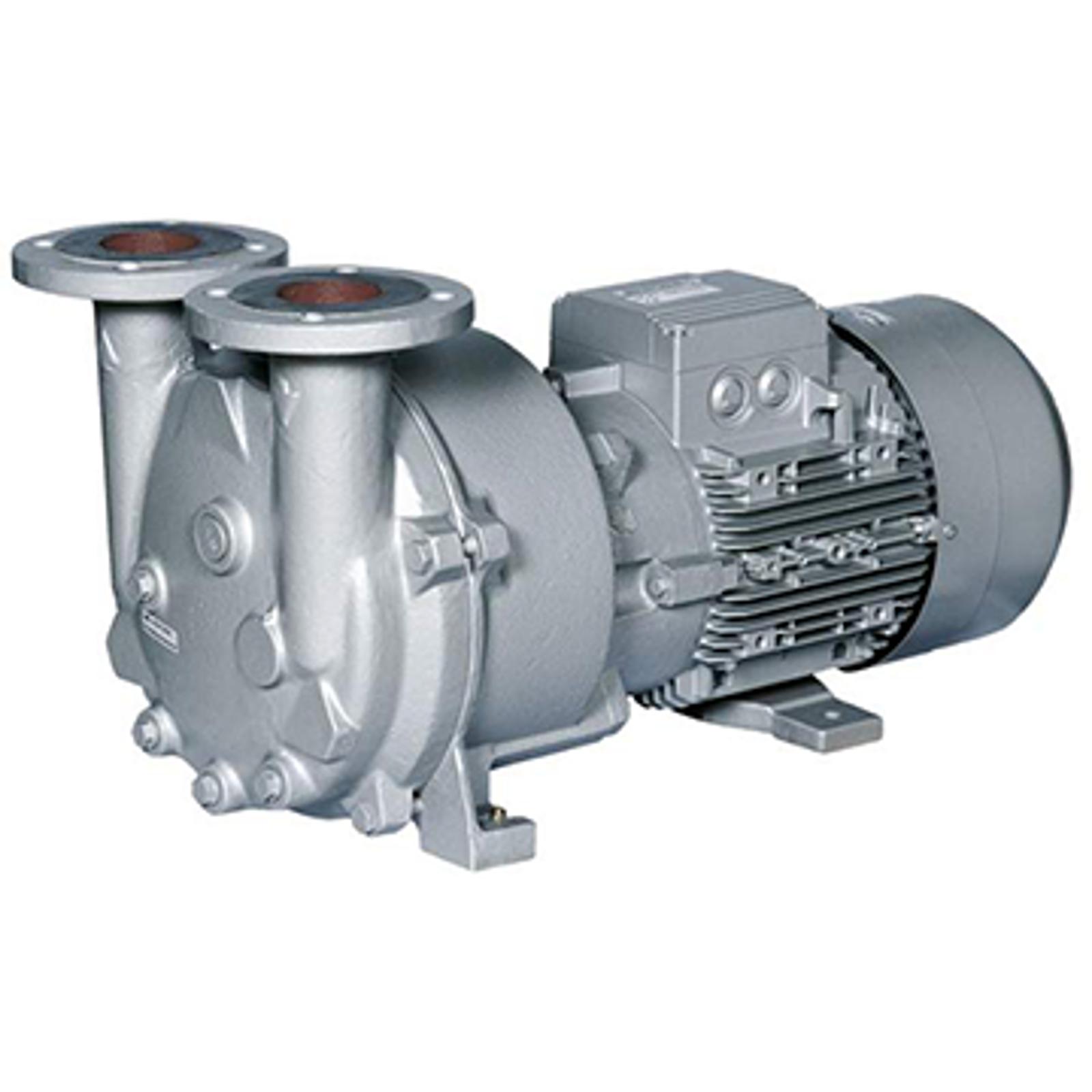
NASH medium capacity liquid ring vacuum pumps offer a highly powerful range of small to medium size single stage vacuum pumps for use in diverse industries including oil & gas, general industrial, and chemical.
Available in cast iron for less aggressive applications, and stainless steel for hostile applications and environments.
Click the link below to learn more about our medium capacity liquid ring vacuum pumps.
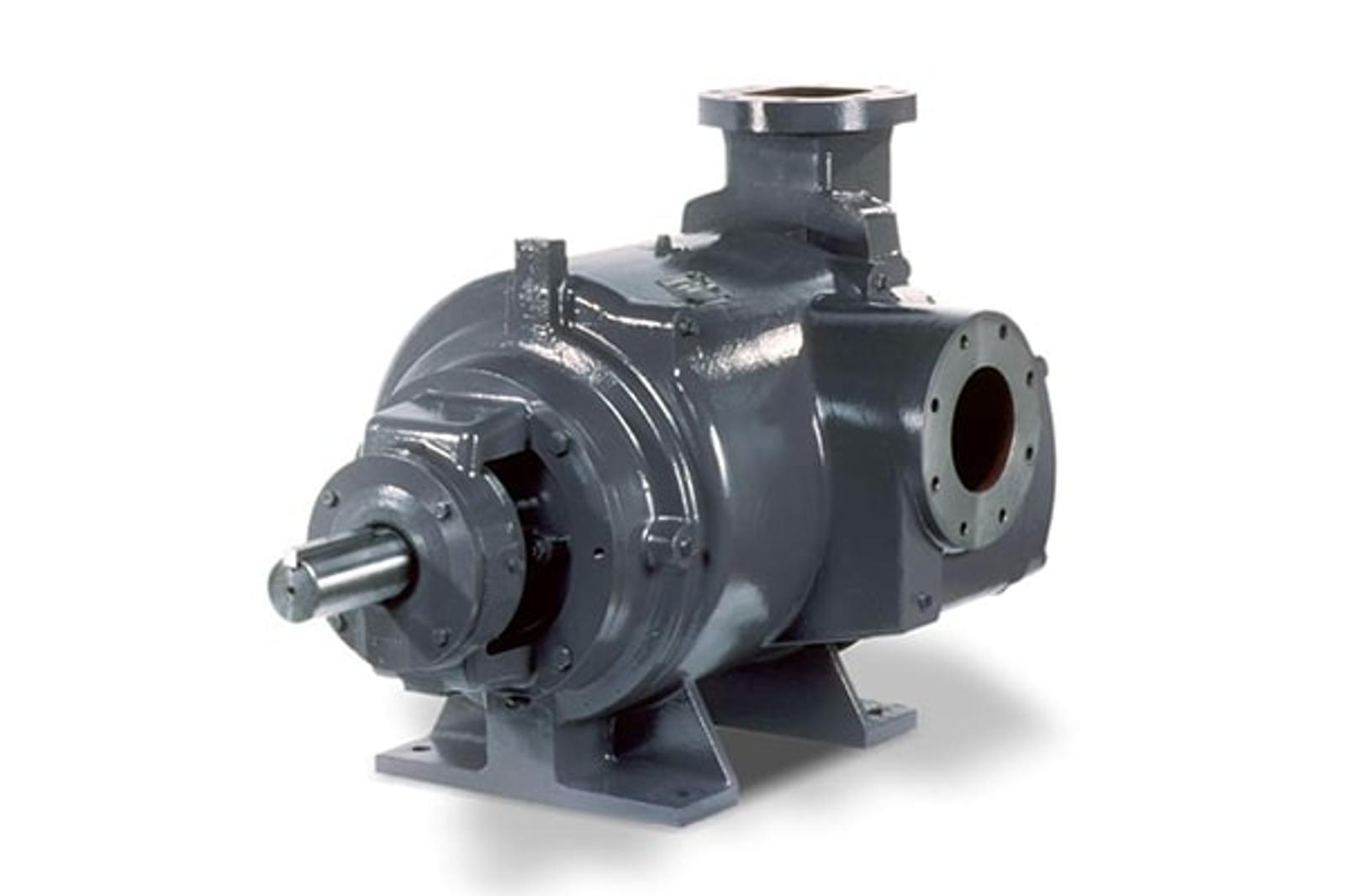


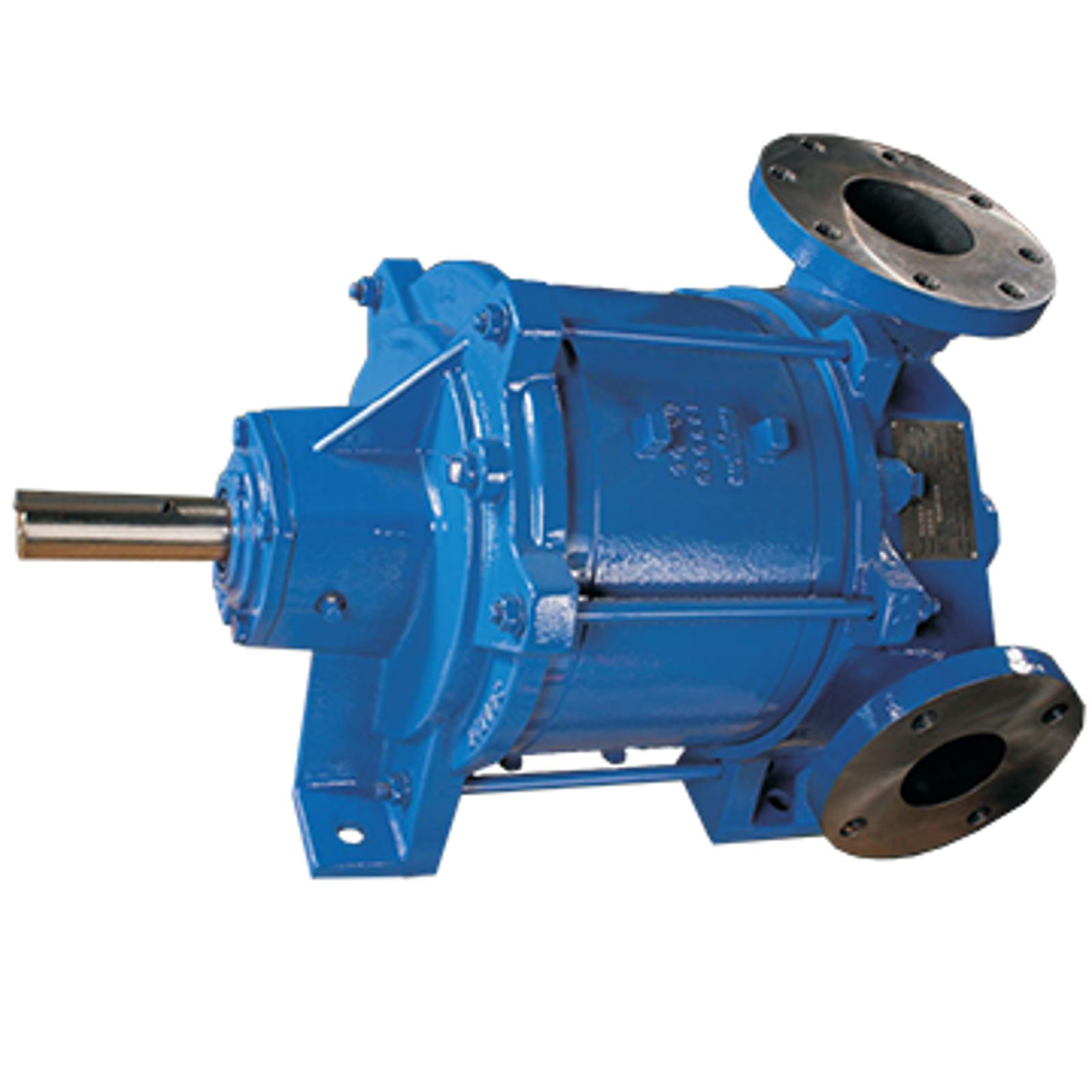
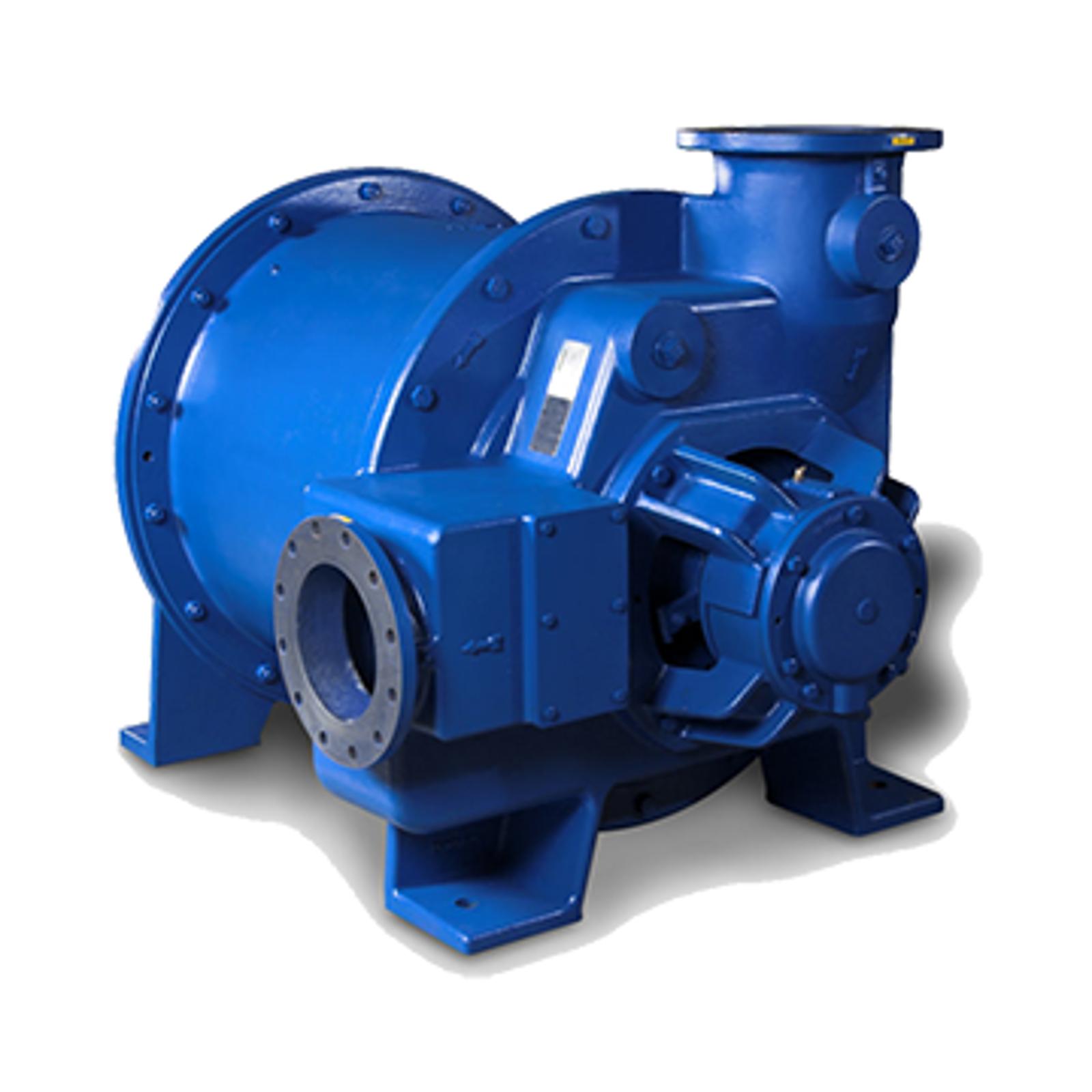
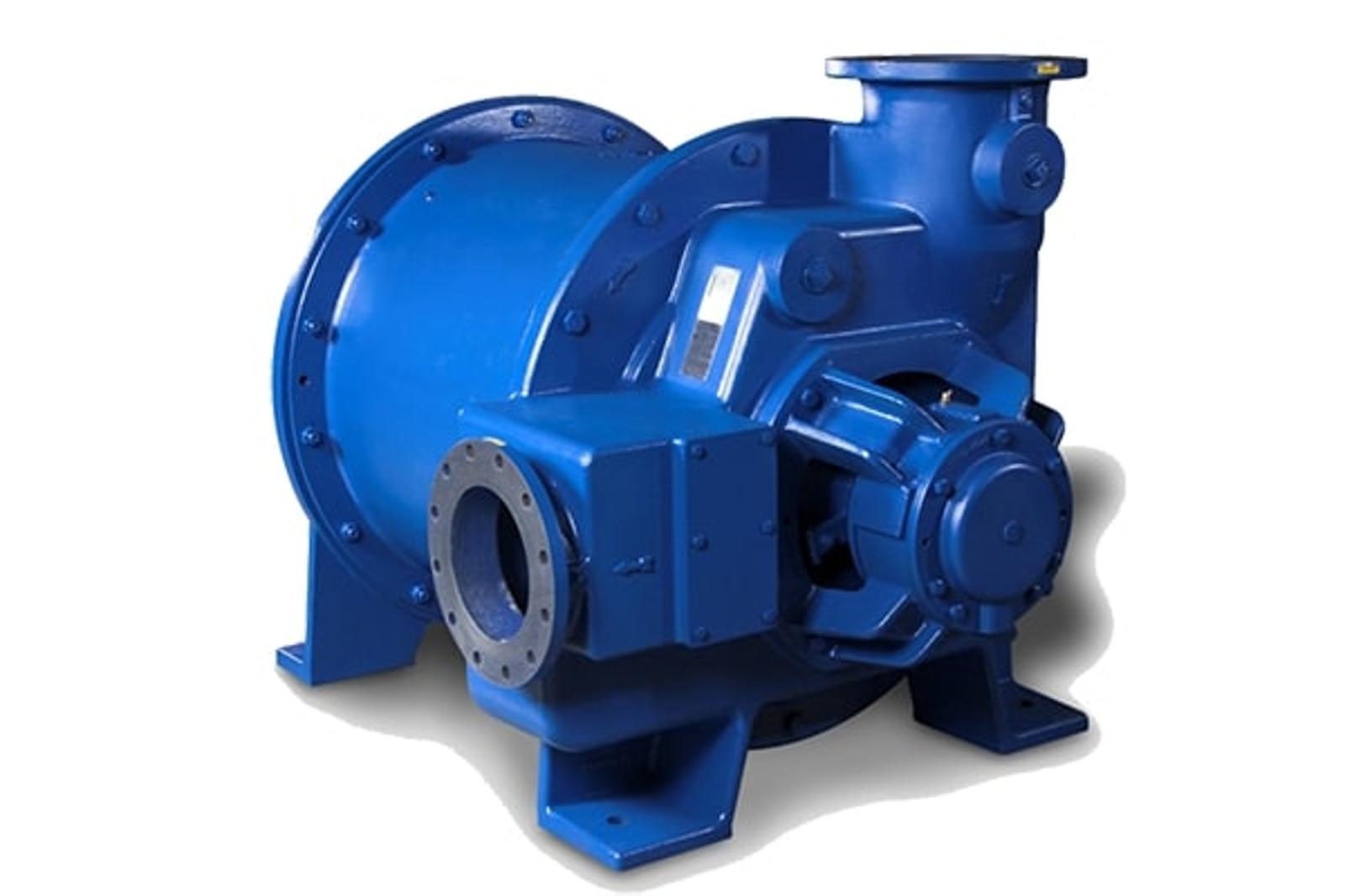
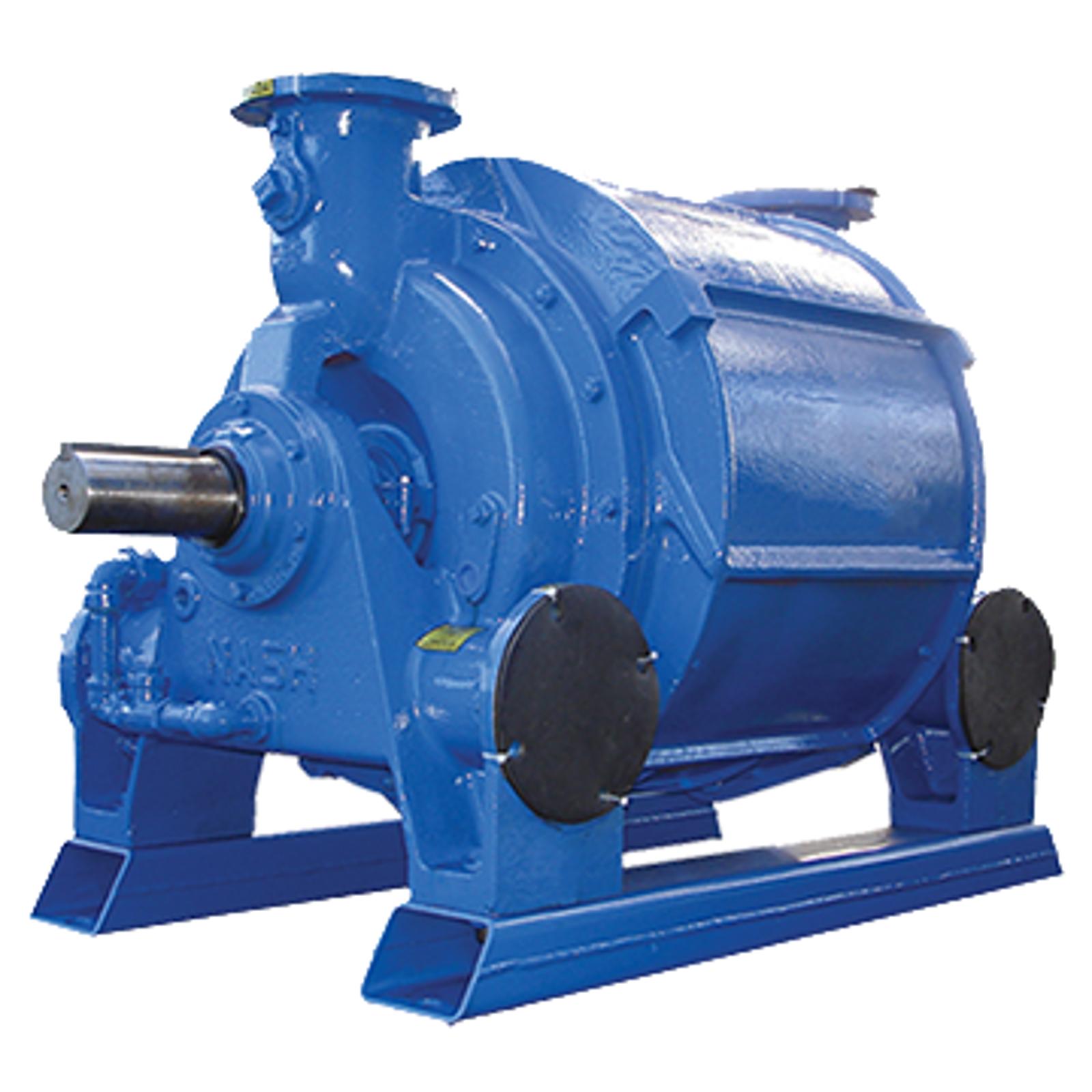
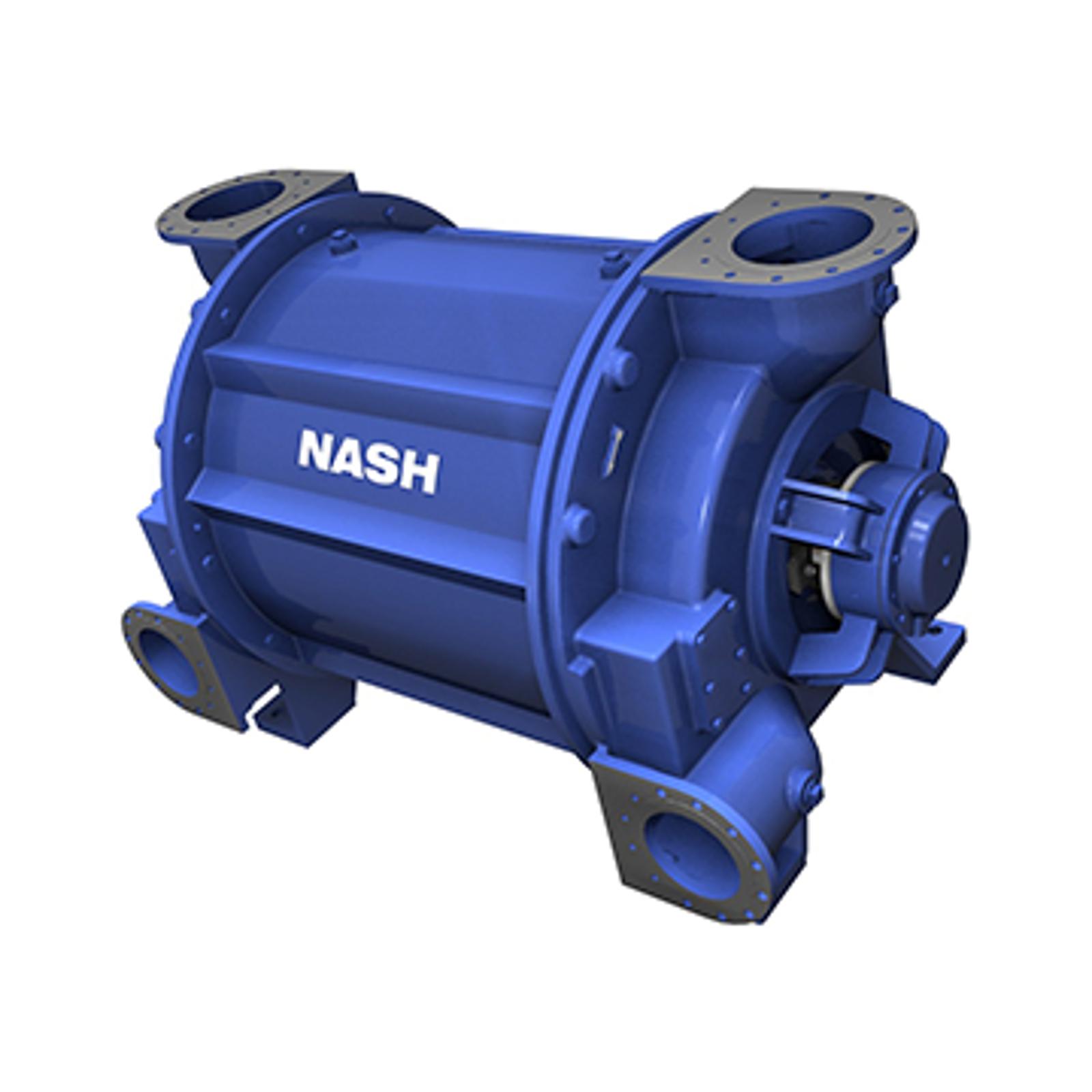
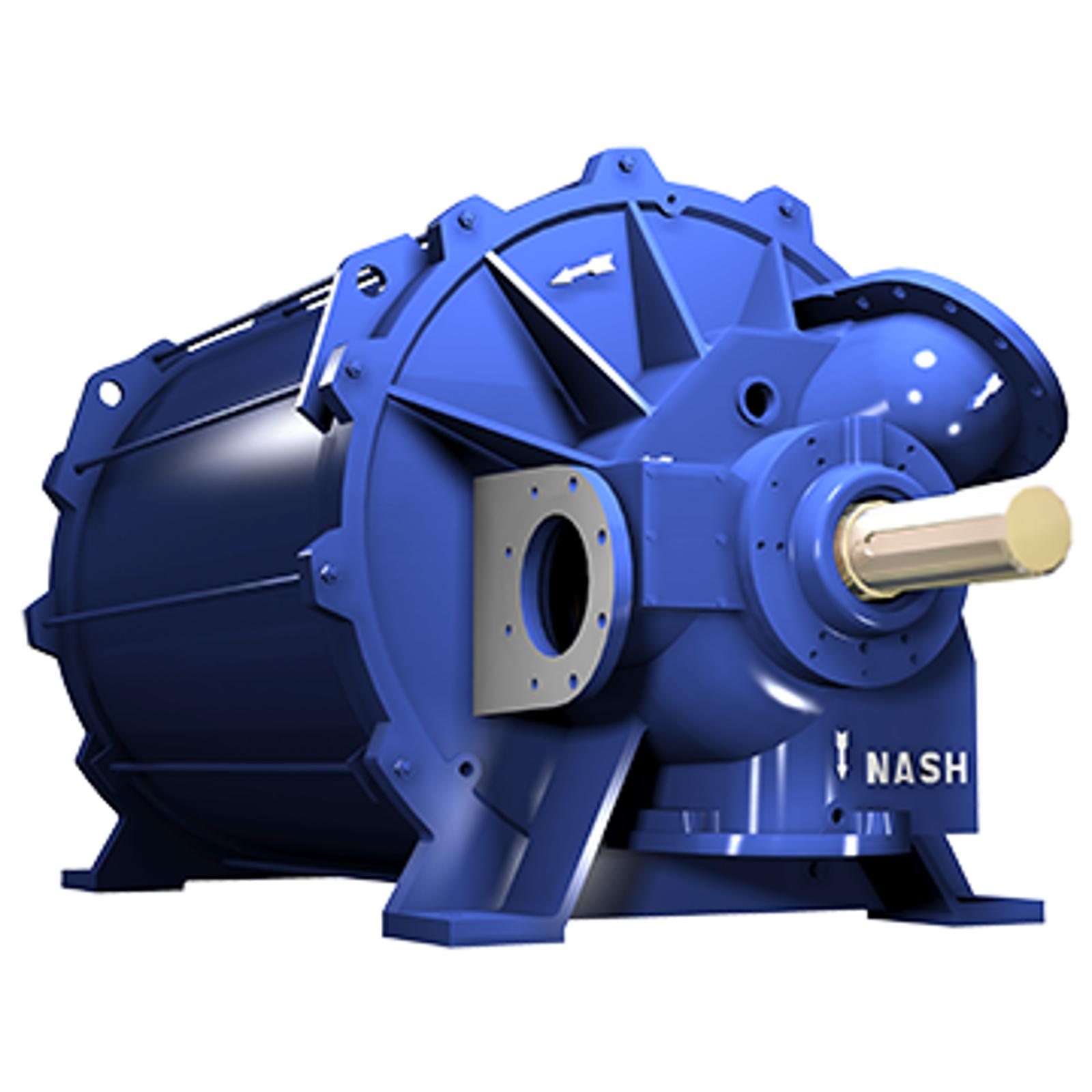
(Vacuum levels up to 25in. HgA, above 200 HP)
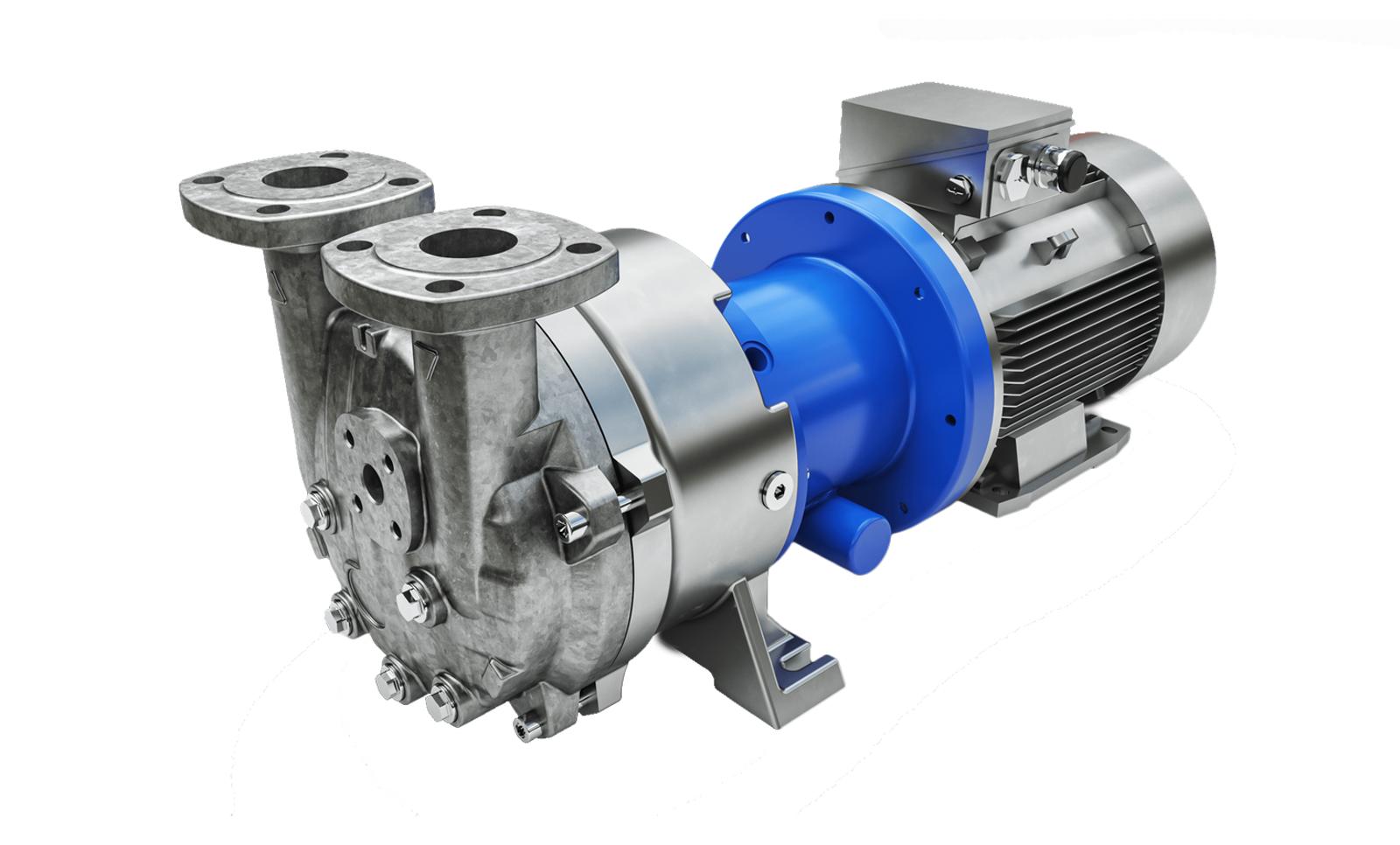
NASH medium to large capacity single stage vacuum pumps are ideal for demanding applications in extremely tough conditions. These heavy-duty pumps are able to serve a wide range of applications, which can typically include dewatering in the paper industry and vacuum filtering in mineral ore processing. Our large capacity pumps are available in a variety of materials including stainless steel, cast iron with some models featuring a polyisoprene lining.
Click the link below to learn more about our large capacity liquid ring vacuum pump.
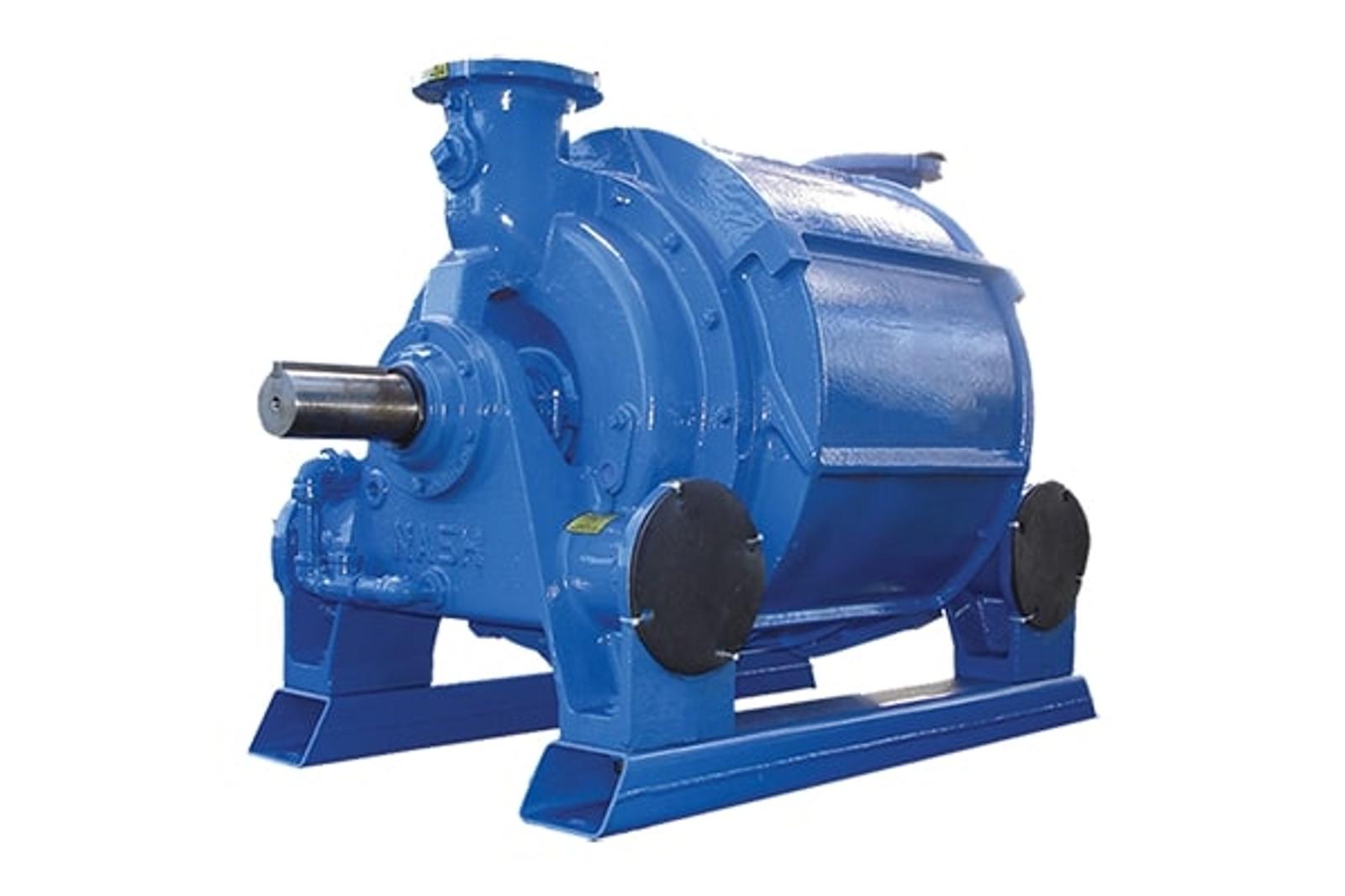

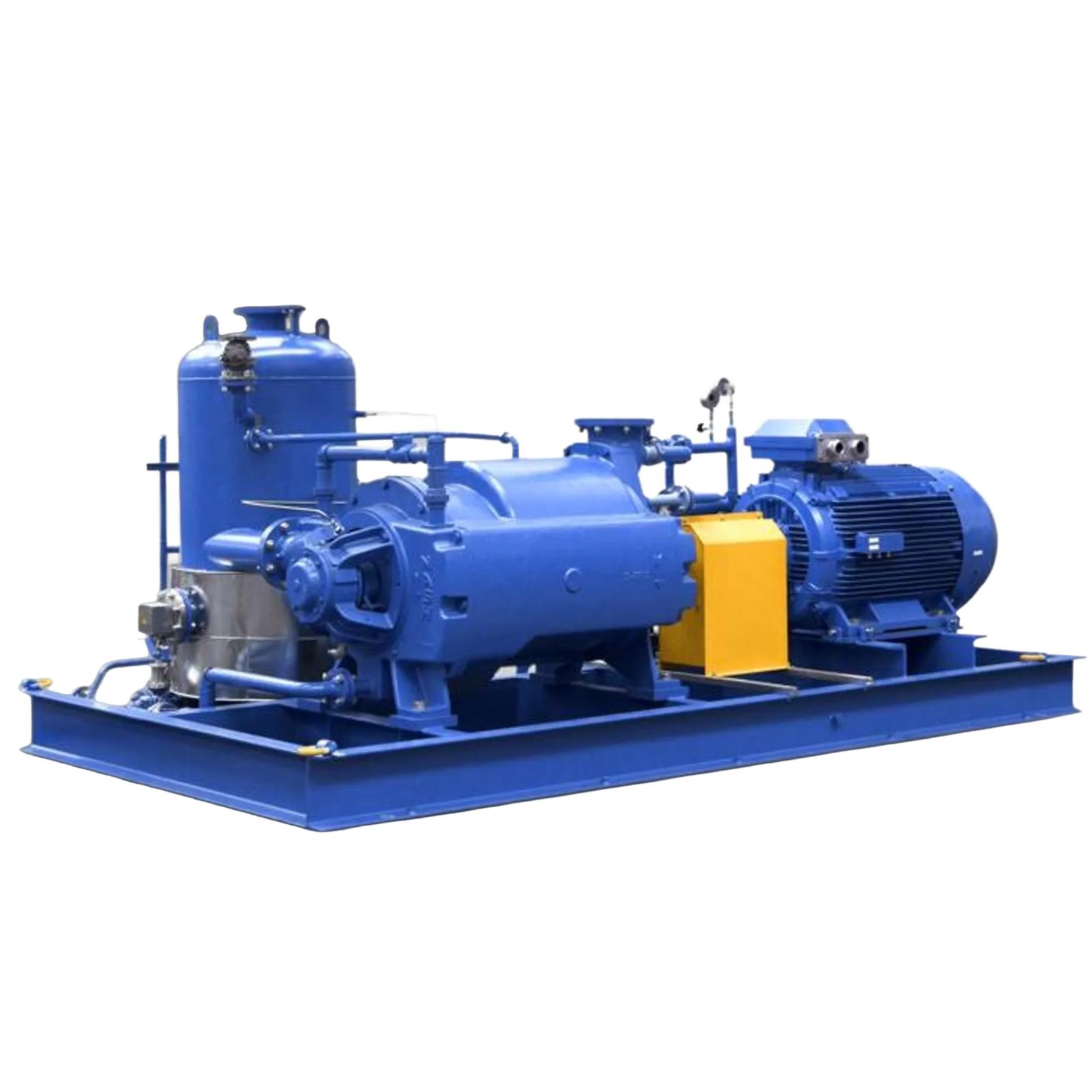
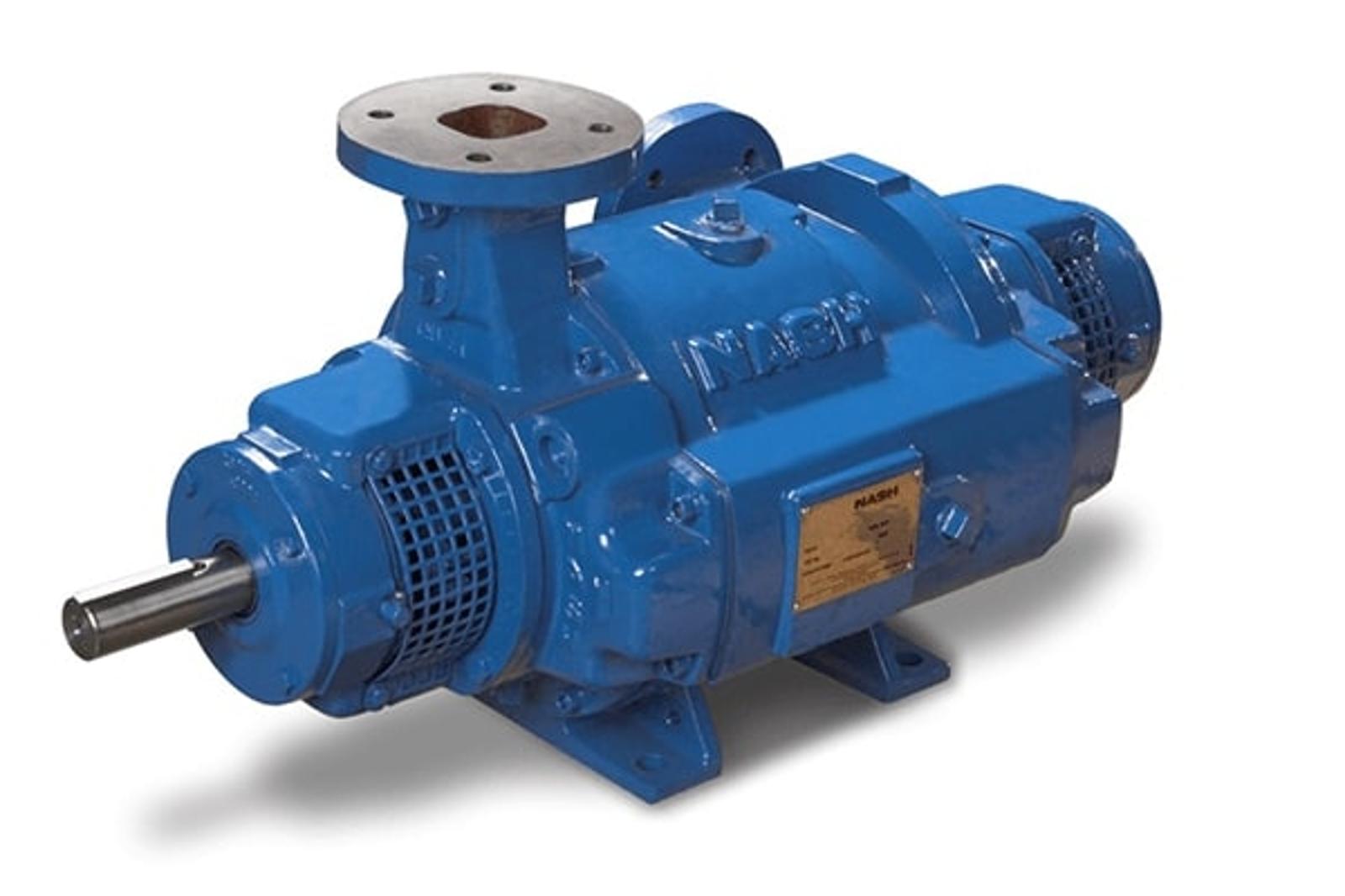
(Vacuum levels to 0.8in. Hg abs.)
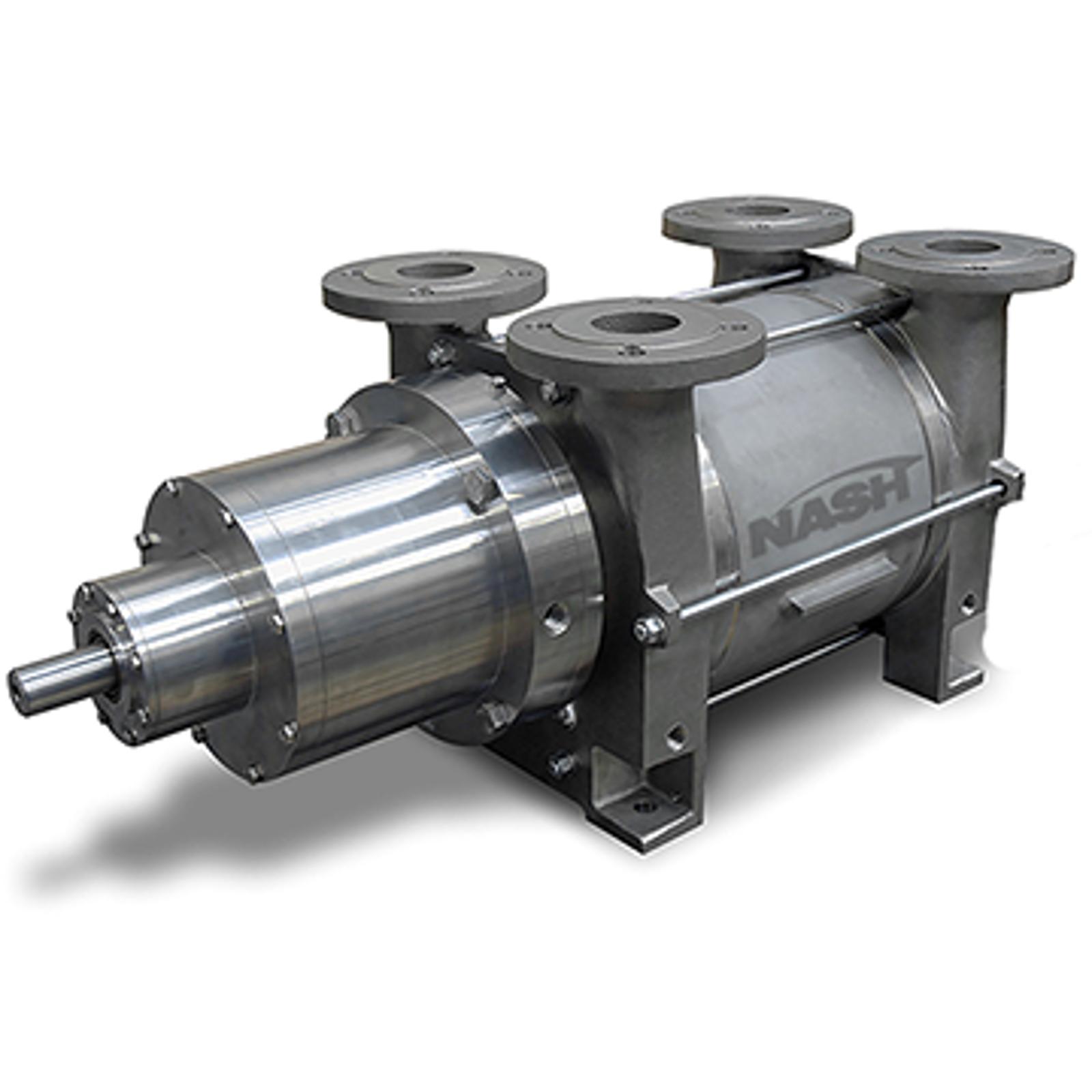
NASH two stage liquid ring vacuum pumps are ideal for a variety of industrial applications and may be combined with ejectors or boosters to form hybrid packages, allowing higher vacuum levels. Nash offers TC two stage liquid ring vacuum pumps, available in ductile iron and stainless steel, and the AT two stage liquid ring vacuum pumps, available in cast iron. Both the TC and AT two stage vacuum pumps feature NASH conical porting.
Click the link below to learn more about our two stage liquid ring vacuum pumps.
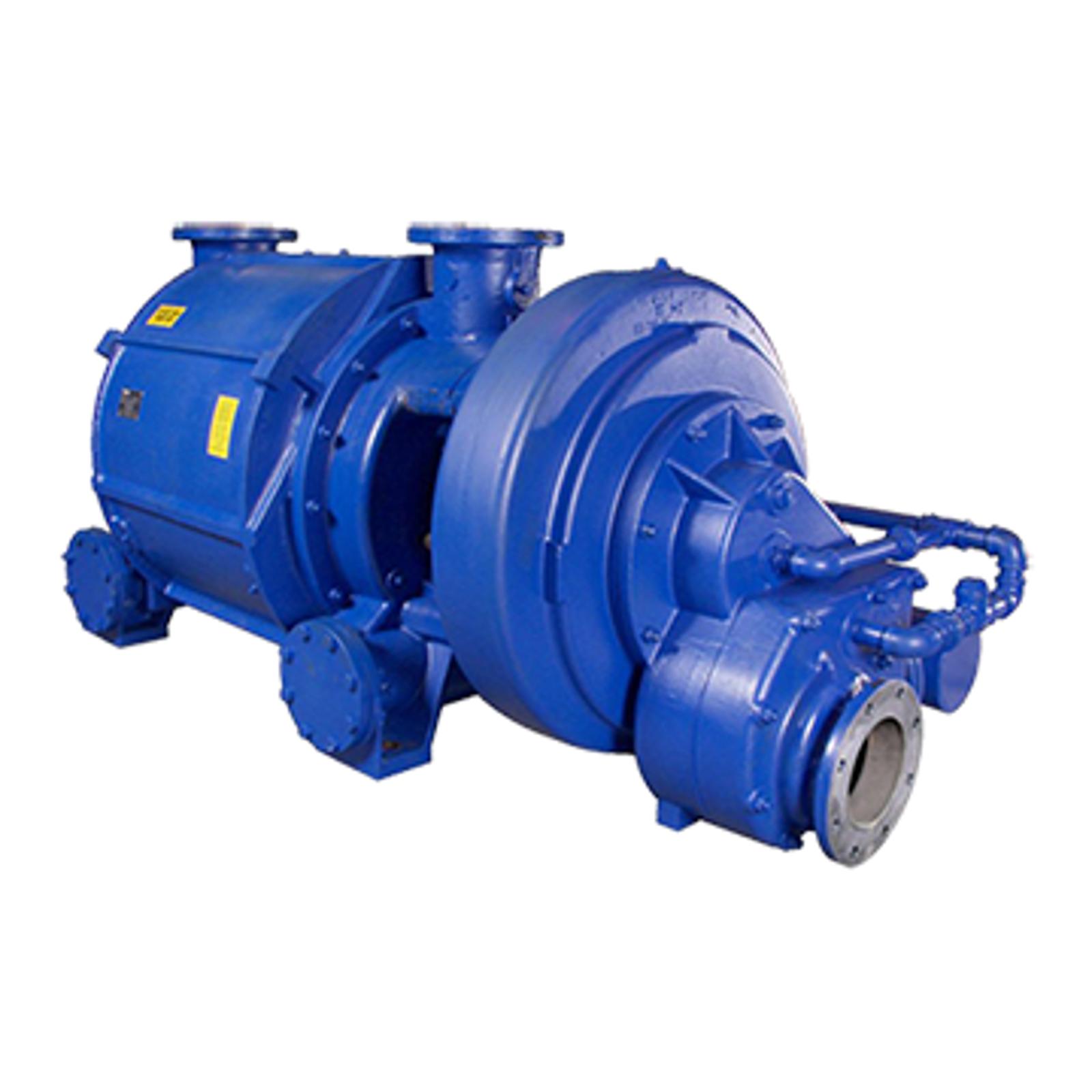
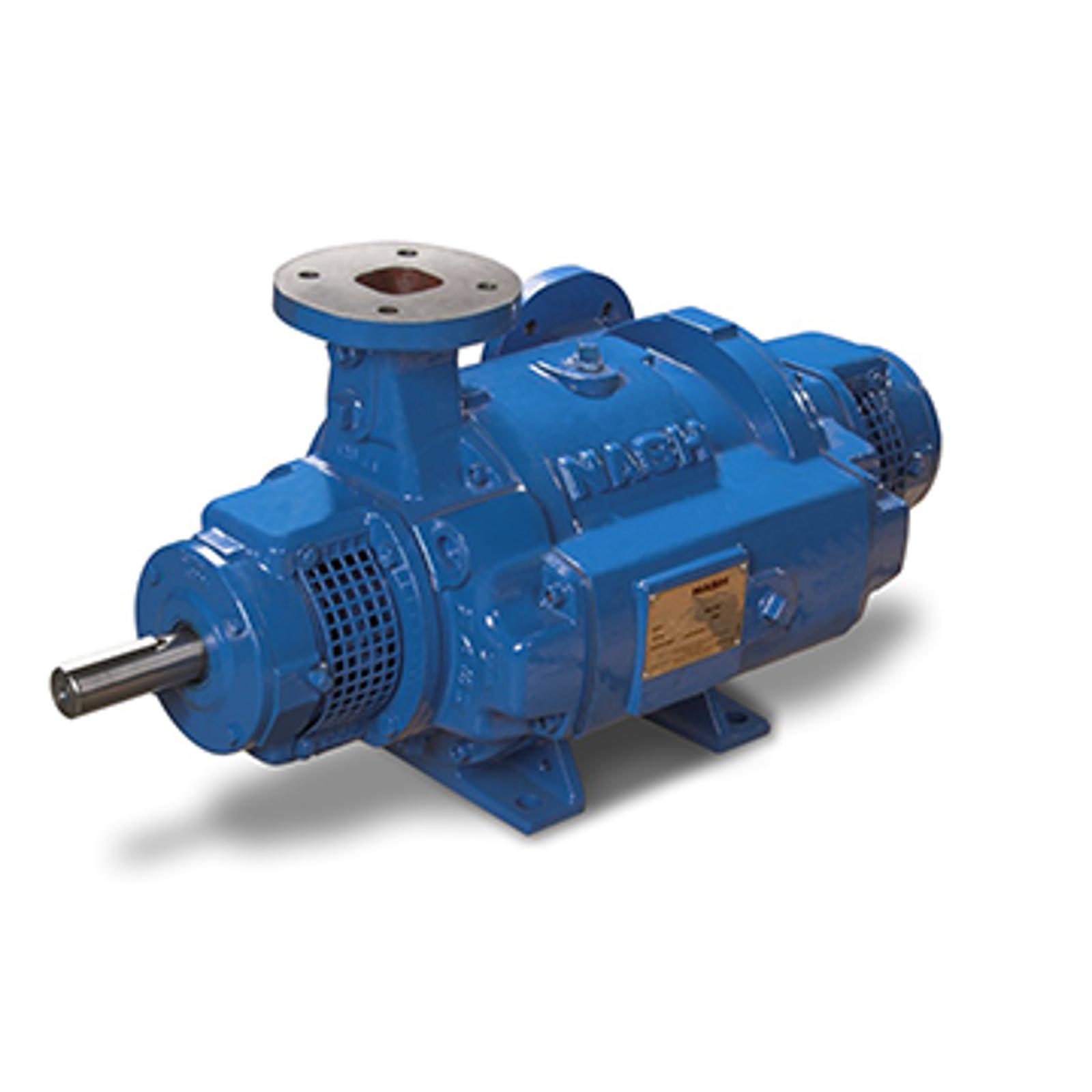
NASH liquid ring vacuum pumps can provide reliable vacuum in carbon-capture processes involving wet gas streams and solvent-based systems.
Discover how NASH worked with Bright Renewables to support a municipal heating carbon-capture project and help deliver significant reductions in carbon dioxide emissions.
NASH offers liquid ring vacuum pumps across a broad range of capacities and vacuum levels. From compact monoblock pumps to large-capacity continuous-duty equipment and two-stage vacuum systems, each solution can be selected and configured around the required process conditions.
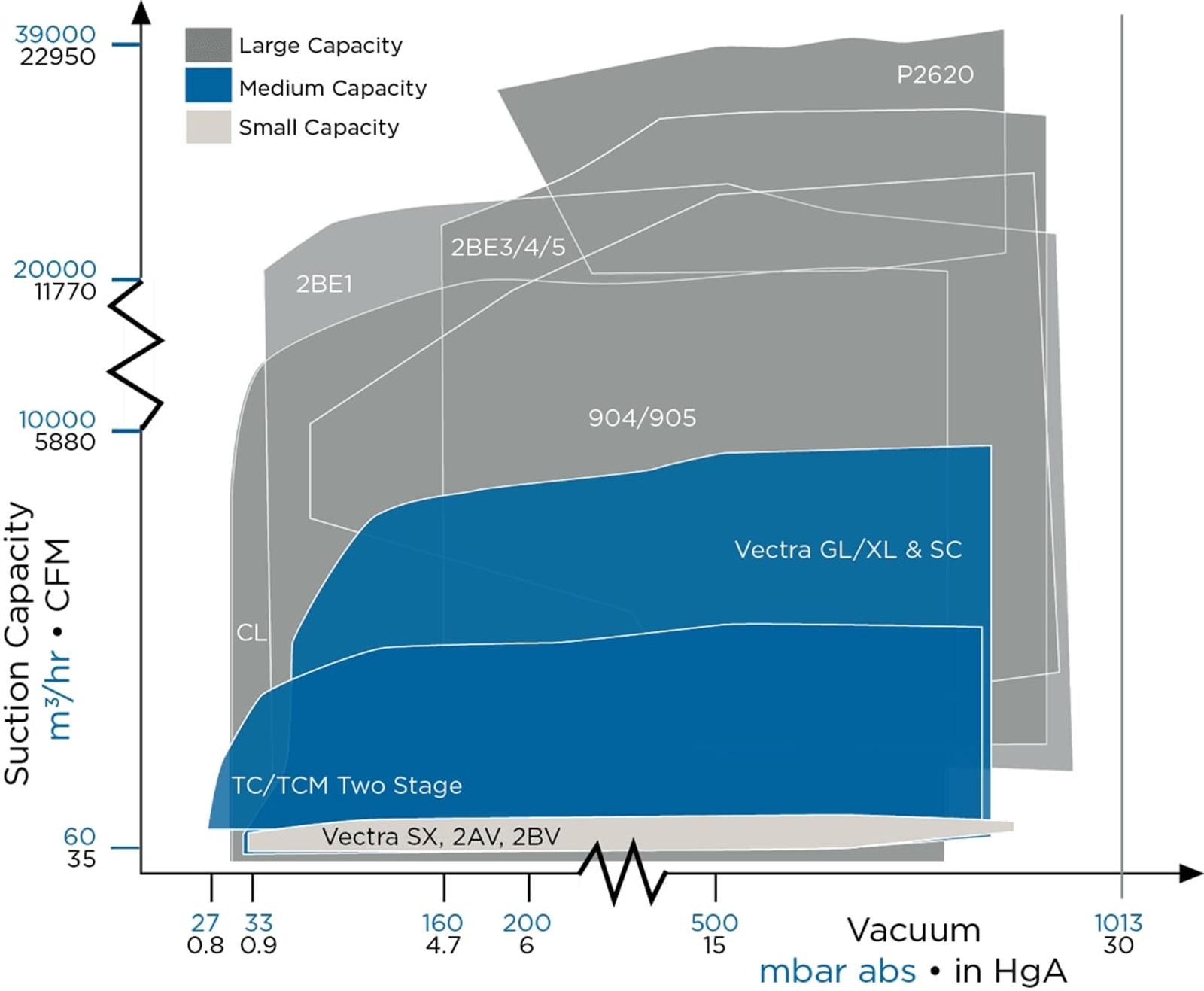
A liquid ring vacuum pump is a rotating positive-displacement pump. It uses an eccentrically mounted impeller and a seal liquid, usually water or another liquid compatible with the process, to generate vacuum.
As the impeller rotates, centrifugal force moves the seal liquid outward against the inner wall of the pump casing, forming a rotating liquid ring.
Because the impeller is positioned eccentrically inside the casing, spaces between the impeller blades and liquid ring increase and decrease in volume. As the chamber volume increases, process gas is drawn into the pump. As the volume decreases, the gas is compressed.
The compressed gas and part of the seal liquid leave through the discharge port. The gas and liquid can then be separated, while the seal liquid is discharged, partially recirculated, or fully recirculated depending on the vacuum-system design.
This operating principle enables liquid ring vacuum pumps to handle moisture, condensed vapors, and liquid carryover while maintaining reliable continuous operation.
Correct pump selection requires more than matching horsepower or nominal suction capacity. Important process factors include:
Determine the normal operating pressure, maximum required vacuum, and whether the process requires a single-stage, two-stage, or hybrid vacuum system.
Establish the required gas flow at the actual inlet pressure and temperature. Pump capacity should be based on process conditions rather than free-air displacement alone.
Identify the gases, condensable vapors, moisture, chemicals, solids, and expected liquid carryover entering the pump.
Confirm which seal liquid is compatible with the process. Water is commonly used, but another process-compatible liquid may be required. Seal-liquid temperature, flow, and vapor pressure should be considered during pump sizing.
Select cast iron, stainless steel, elastomer-lined, or other construction based on corrosion, erosion, temperature, and process-compatibility requirements.
Mechanical seals may be appropriate for general applications, while magnetic-drive pumps can provide hermetically sealed operation for processes requiring enhanced containment.
The pump may use once-through seal liquid, partial recirculation, or total recirculation. The correct arrangement depends on utility availability, discharge requirements, contamination risk, and operating cost objectives.
Back pressure, separator design, exhaust treatment, and downstream process requirements can affect pump performance and system configuration.
Available space, motor requirements, controls, redundancy, ambient conditions, hazardous-area classifications, and maintenance access should be evaluated before final selection.
Because vacuum-pump performance depends on the complete process, published data should be used for preliminary comparison only. Consult a NASH engineer for final pump sizing and system design.
A liquid ring vacuum pump is a rotating positive-displacement pump that uses a liquid ring to draw in and compress process gas. The operating liquid is commonly water, although another compatible liquid may be used when required by the process.