
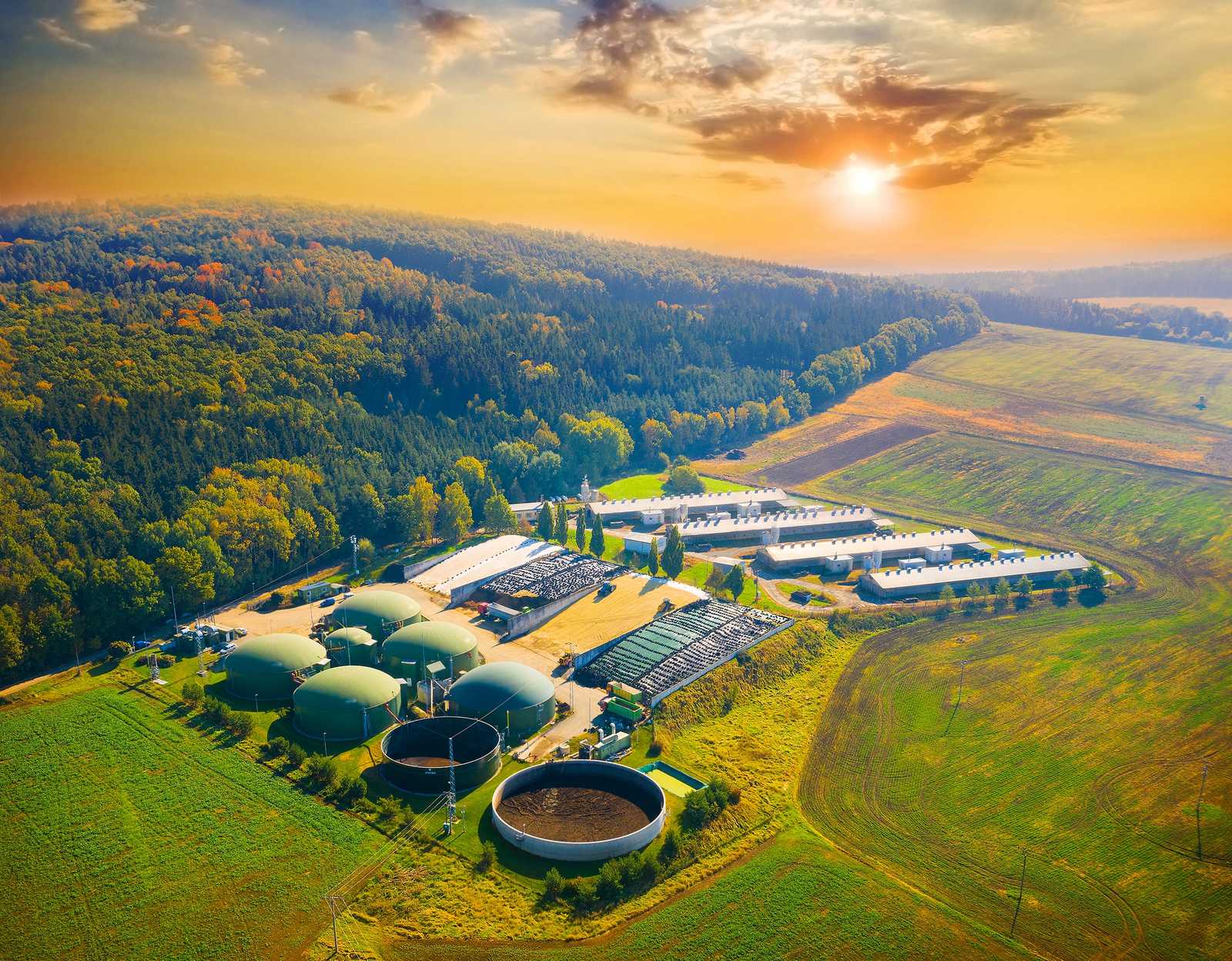
The Role of Vacuum Technology in Biofuel Production


As global demand for renewable energy continues to grow, ethanol and biodiesel production facilities face increasing pressure to improve efficiency, reliability, and process performance. Vacuum pumps and compressors play an important role throughout biofuel manufacturing, supporting critical stages such as fermentation, distillation, dewatering, biodiesel separation, drying, and recovery processes.

Whether processing sugar cane, corn, rapeseed, waste biomass, or other feedstocks, selecting the right vacuum system can help maintain stable operations in environments where moisture, condensables, and liquid carryover are common challenges.

What You'll Learn in This Guide

This brochure explores how vacuum and compressor technologies support biofuel production across multiple process stages, including:

  • Ethanol production through fermentation and distillation
  • Biodiesel production using transesterification processes
  • Methanol recovery applications
  • Biodiesel washing and drying operations
  • Tank filling and emptying processes
  • Dewatering and filtration systems
  • Future opportunities using cellulosic and waste-based feedstocks

The guide also explains why liquid ring vacuum technology is particularly well suited for handling wet gases, process vapors, and liquid carryover commonly found in biofuel facilities.

Key Challenges in Ethanol and Biodiesel Production

Biofuel manufacturers must balance production efficiency with process reliability. Common operational challenges include:

  • Managing wet or saturated process gases
  • Handling liquid carryover safely
  • Maintaining vacuum levels during distillation
  • Supporting oxygen-free fermentation environments
  • Optimizing energy consumption
  • Selecting materials suitable for aggressive process conditions

Understanding how vacuum systems interact with these processes is essential for achieving reliable plant performance.

Why Liquid Ring Vacuum Pumps Are Commonly Used

Liquid ring vacuum pumps offer unique advantages for renewable fuel applications because they can operate effectively in demanding process environments where moisture and contaminants are present.

Key benefits include:

  • Ability to handle liquid carryover
  • Reliable operation in wet process conditions
  • Long service life and durable construction
  • Minimal internal wear due to non-contact operation
  • Flexible system configurations for varying vacuum requirements
  • Compatibility with multiple biofuel production stages

Who Should Download This Brochure?

This resource is valuable for:

  • Process engineers
  • Plant managers
  • Operations leaders
  • Biofuel producers
  • EPC contractors
  • Renewable energy project teams
  • Industrial equipment specifiers
  • Maintenance and reliability professionals