
Pipe Strain
Static pipe strain and its effects are relatively simple to measure. One method is to disconnect the pipe flanges and measure any piping misalignment. Most companies aim for no more than 0.05mm; difference in distance between the flanges. Furthermore, the bolts should go freely through the holes to align the pipe flanges. To check for the effects of pipe strain on the machine, dial indicators should be mounted vertically and horizontally at each bearing. The dials should be checked as each flange is connected or disconnected. Any movement at the bearing of more than 0.4mm; is generally considered excessive.
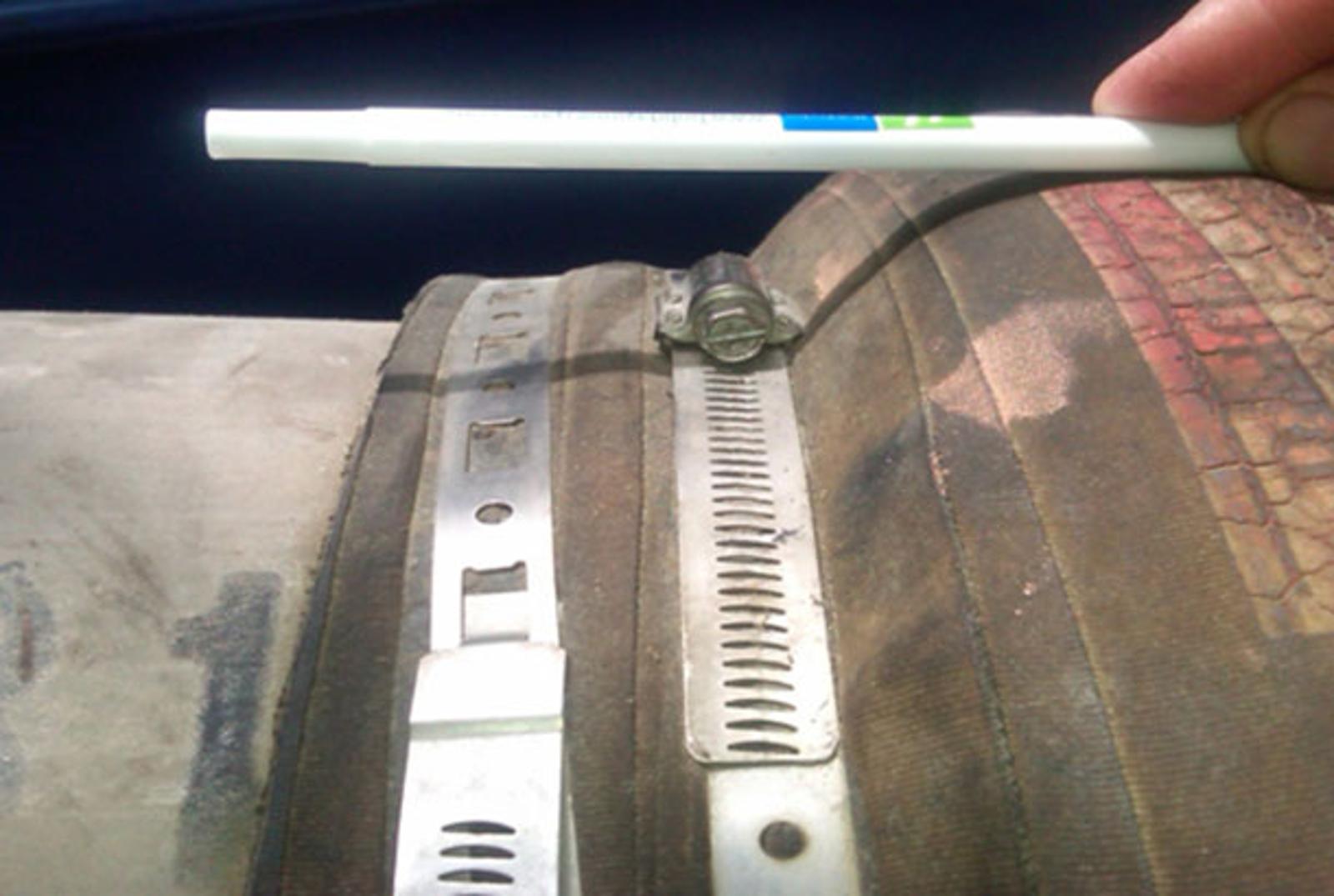
Dynamic pipe strain is much more difficult to check since it occurs while the system is in operation. It is commonly due to thermal expansion of the piping, the weight of the system fluid or both of these along with inadequate piping or piping support. Dynamic pipe strain is most often detected by using a measurement device to check for differences in machine movement between static and dynamic conditions.
Pipe strain causes distortion of the machine frame. As the frame or casing is distorted, so are the bearing housings, the shaft and other components. These problems can lead to excessive bearing temperatures. The bearing problems can be detected through vibration analysis, which will have bearing fault frequencies as the dominant peaks. Packing and mechanical seal performance will also be affected by pipe strain because of the additional forces caused by the distortion to the bearing bore. Anything that leads to shaft deflection or reduced bearing clearances can quickly lead to catastrophic failure, particularly of bearings and seals.
Pipe Strain in Vacuum Pump and Liquid Ring Applications
Pipe strain is often introduced during installation when the pipeline is pulled into place to match nozzle locations instead of being properly fitted to the equipment. This is common on a vacuum pump and on liquid ring vacuum packages where tight layouts and tie-ins lead to last-minute piping adjustments. Temperature changes in the pipeline can also build stress as the line expands and contracts; these forces transfer into the pump casing and can affect alignment. Over time, added strain can reduce efficiency and create issues that appear to be internal pump problems even when the cause is external piping loads. To help identify the cause early, Find and document any areas where the pipeline is forced into position, where support is missing, or where fittings concentrate forces near the pump nozzles.
Checking Static and Dynamic Pipe Strain
Static pipe strain can be checked by Inspecting flange fit-up and confirming the bolts pass freely without levering the pipeline into position. Check alignment at the coupling before and after each set of flanges is tightened to see whether the machine moves as the piping is connected, and use dial indicators at each bearing to record any change during connection and disconnection. Dynamic pipe strain is more difficult to check because it occurs during operation, but heat-related growth can increase stress and show up as changes in vibration or bearing readings. A practical Maintenance Tip is to take a measurement at cold start and again after the system reaches steady vacuum and pressure so you can compare movement over time and ensure developing problems are found before damage occurs.
Maintenance to Prevent Seal and Packing Problems
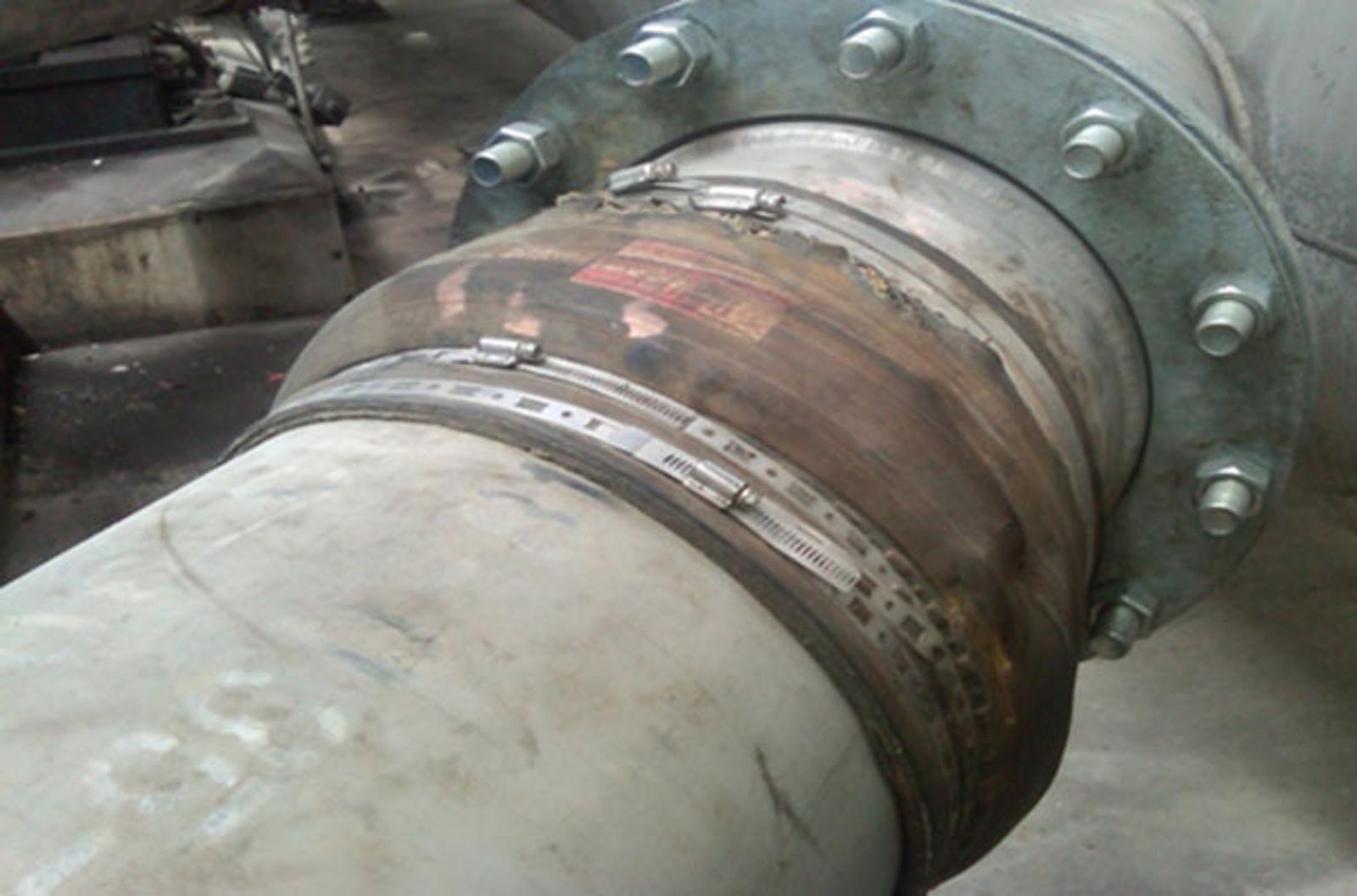
To prevent recurring pipe strain, review pipeline support and anchor locations so the piping carries its own weight and does not load the pump. Where required, add guides so thermal growth is directed away from the nozzle, and confirm the design allows expansion without pushing on the casing. Keep packing adjustments conservative, since over-tight packing can add heat and accelerate wear when the shaft is already deflected by pipe strain. For ring vacuum pumps and other liquid ring vacuum equipment, keep the seal water supply clean and stable because poor water quality can reduce vacuum performance and compound wear. If issues are found, Replace damaged supports, Replace distorted gaskets, and repair cracked brackets so the pipeline does not move back into the machine during operation. Regular Maintenance should include checking bearing condition and seal leakage trends because these often provide early help in detecting developing strain.
Nash Pump Pipe Strain Notes
For Nash ring vacuum pumps, pipe strain prevention focuses on keeping piping loads off the pump nozzles and maintaining alignment after any piping work. During installation and after any Service work, re-check flanges for proper fit-up, verify the pipeline is not forcing the pump position, and confirm the pump base and supports are secure. If you Find repeated vibration after maintenance, treat pipe strain as a likely cause along with bearing and seal checks. Maintain stable liquid ring vacuum conditions—steady water flow, controlled pressure, and clean seal water—to reduce thermal swings that increase stress. These steps help maintain reliability and efficiency, reduce repair time, and lower the risk of failure caused by external forces rather than internal wear.
Start-Up Check for Pipe Strain
Before you start the vacuum pump after a shutdown, check for piping strain conditions that can affect the machine during operation. Confirm the pipeline supports are in place, verify the flange bolts are free, and ensure the pump has not shifted on its feet. Inspect for casing contact marks, listen for abnormal vibration, and check packing and seal areas for leakage that could indicate misalignment. If readings change as flanges are tightened, stop and correct the piping fit-up, since forcing the pipeline into position can damage equipment and lead to repeat Maintenance problems. This check helps ensure stable operation and reduces the risk of introducing new stress into the piping system.

Frequently Asked Questions (FAQ)
Pipe strain occurs when piping places excessive force on a vacuum pump or liquid ring vacuum pump. This can happen due to poor installation, thermal expansion, inadequate supports, or misaligned flanges. The resulting stress can distort the pump casing, affect alignment, and lead to premature component wear.
Reach Out to Our Experts