
Bearing Lubrication
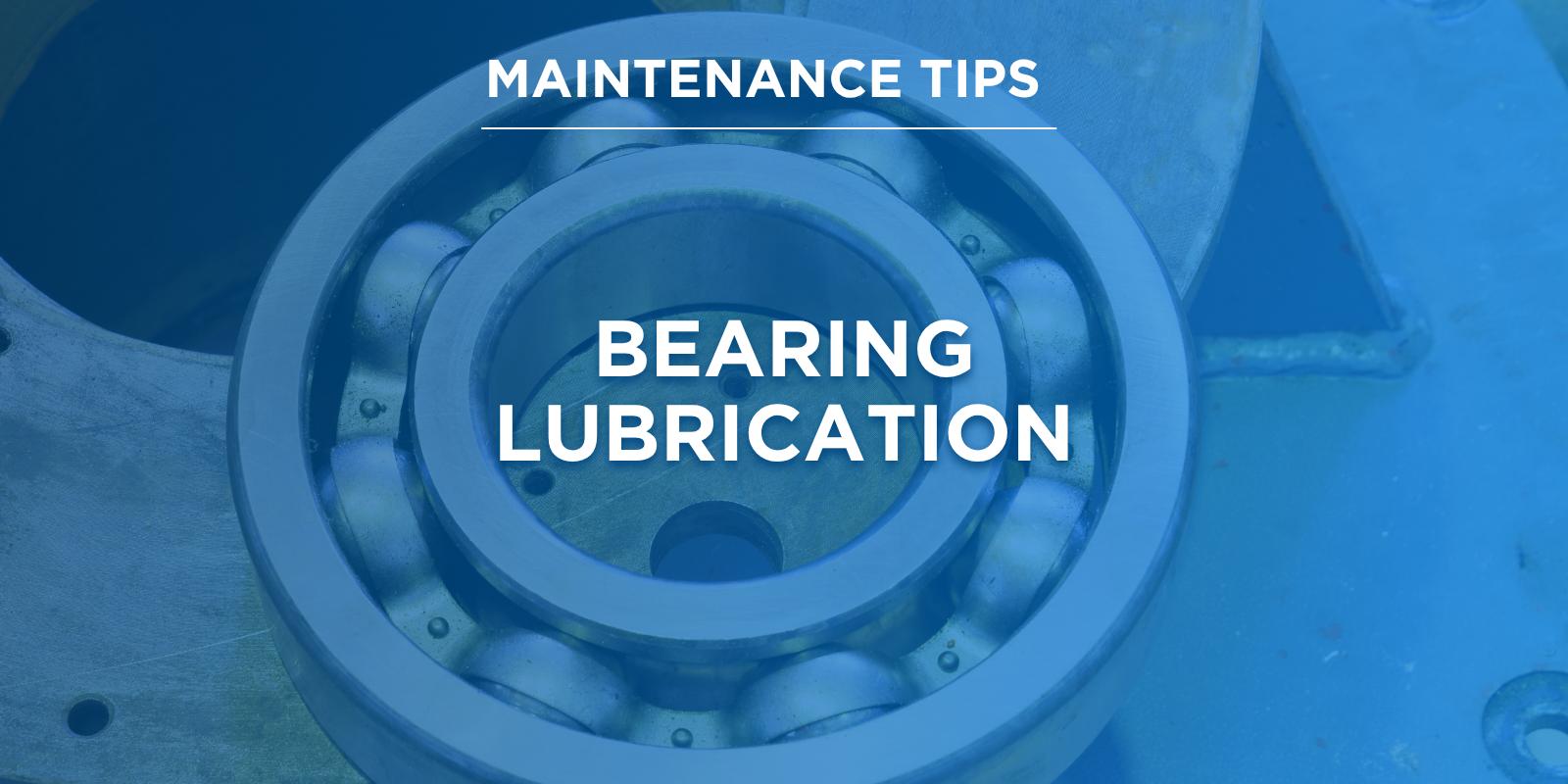
The age old question of grease versus oil when lubricating bearings.
At NASH Certified Service Centers, we see many pumps come through our doors with bearing failure. The question always asked is: why did it happen and what can be done to prevent future failures? Most bearing failures are not caused by a bearing manufacturer defect. The most common reasons for bearing problems are a lack of lubrication or the use of contaminated lubrication - and not the type of lubrication.
How Bearing Failures happen?
Most bearing failures are not caused by a bearing manufacturer defect. The most common reasons for bearing problems are a lack of lubrication or the use of contaminated lubrication - and not the type of lubrication. Most NASH pumps have grease lubricated bearings. This does not imply that grease is better than oil, only that the equipment was designed that way. Some of our pumps have the option of being oil or grease lubricated, but the standard configuration is to have grease lubrication and offer oil lubrication as an alternative.
Grease Lubricated Bearings
With grease lubricated bearings, it is impossible to tell the quantity or quality of the lubricant without some disassembly of the bearing covers. Determining the bearings' condition can become a guessing game. On the other hand, oil lubricated bearings typically have a visual sight glass that will tell you at a glance if the level is low or the oil is discolored.
Typically, what we find is that most grease lubricated bearings are under or over greased. Sometimes the grease is old and hard, and possibly contaminated as well. A semi-annual, physical inspection can greatly reduce the potential for failure.
Oil Lubricated Bearings
With oil lubricated bearings, we often see low oil levels causing failure. Oil seals can become brittle with age and leak and, in addition, any water present in the oil will go to the bottom of the sump. When that happens, the sight glass can appear full while the lubricant turns out to be mostly water.
We often see water present in bearings with either type of lubrication. It may come simply from condensation but more commonly from gland water leakage. It is very important to keep the gland leakage to a minimum but even more important that the water is draining away properly.
There is a trough below the gland too pool the water which has a drain hole. Often this hole becomes blocked with excess grease or debris and eventually the water will get into the bearing.
Common lubrication-related bearing clues include:
- Unusual noise
- Rising bearing temperature
- Increased vibration
- Reduced smoothness
A Practical Troubleshooting Approach
1. Check the lubrication condition (grease age, hardness, and signs of contamination).
2. Verify quantity against the NASH Installation and Operation Manual — both under-greasing and over-greasing can cause problems.
3. Inspect for leakage around the bearing housing and seals.
4. Confirm correct grease type and compatibility (and stop any mixing practices).
5. Re-check after adjustment: monitor temperature and vibration trends to confirm the fix.
If you’re seeing low vacuum on a liquid ring vacuum system, one of the first places to check is the seal water temperature and how effectively it’s cooling the pump. High seal water temperature can reduce the pump’s ability to maintain the correct internal conditions, which can show up as weaker vacuum performance.
In practice, low vacuum tied to seal water temperature often comes from one (or more) of these issues:
- Insufficient seal water flow
- Seal water too warm
- Restricted cooling paths
- Drainage problems
What to do (a practical, maintenance-focused checklist):
- Verify seal water flow
- Measure seal water temperature
- Inspect for restrictions
- Confirm drainage is clear
- Re-check vacuum performance
Our Recommendation
So what is the real answer here? Rather than the choice of the lubricant, it is maintenance. Follow the guidelines in our Installation and Operation Manual for your NASH pump and take time to take care of whatever lubrication you choose.
When properly maintained, a NASH Pump can last for decades.

Frequently Asked Questions (FAQ)
Inspect bearings regularly, use the correct lubricant, maintain proper lubrication levels, and prevent contamination.
Reach Out to Our Experts